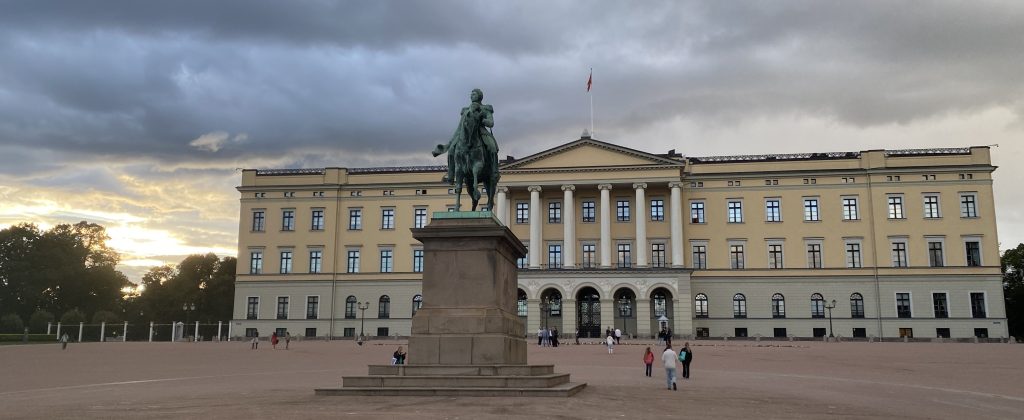
Natural history museums are home to millions of objects and specimens, ranging from plants and fungi to animals, fossils, and geological collections. Managing such vast collections requires robust digital infrastructure. Collection management systems help museums keep track of what their collections contain, where individual objects are stored, when new material is added, and how specimens can be made accessible for scientific research and public use.
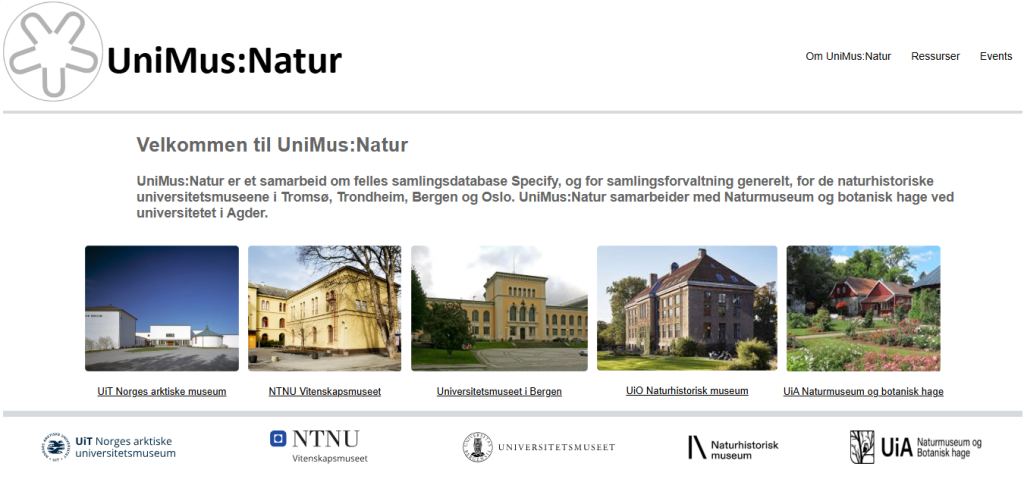
In 2025, five Norwegian natural history institutions, the University Museum of Bergen, the Natural History Museum in Oslo, NTNU University Museum in Trondheim, the Arctic University Museum of Norway in Tromsø, and the Botanical Gardens at the University of Agder, initiated a collaborative effort known as UniMus:Natur. The goal of the initiative is to establish a shared collection database and management system that can support the long-term digitization, management, and accessibility of Norway’s natural history collections.
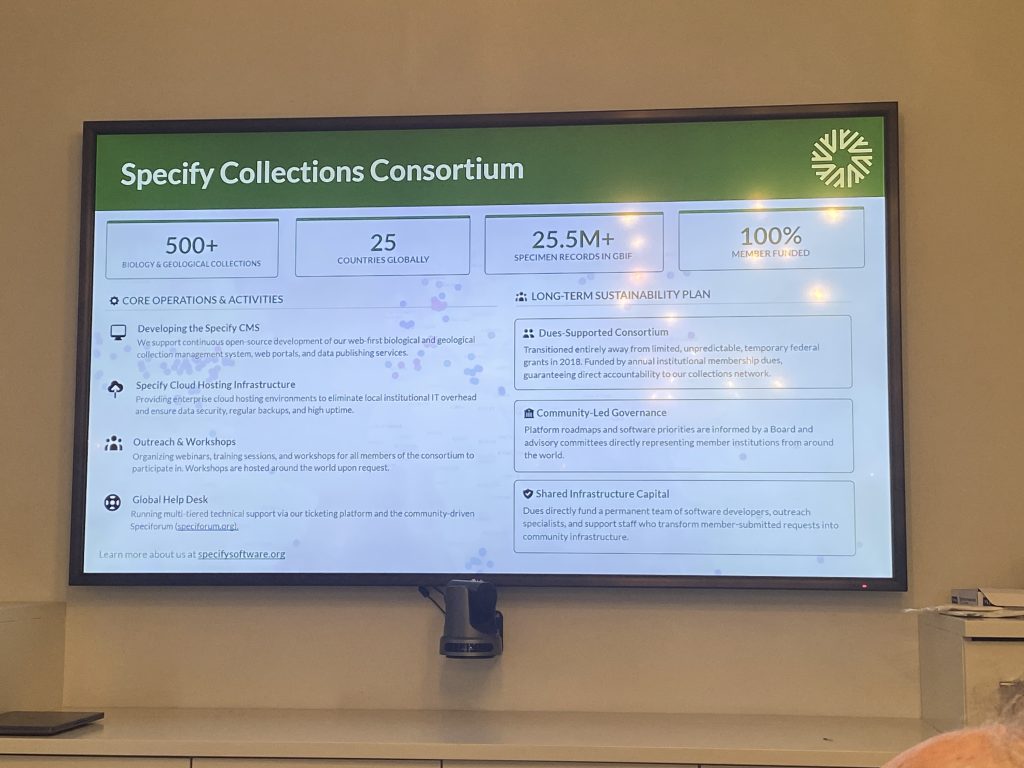
After a careful evaluation of available solutions, the consortium selected Specify, a community-governed, open-source platform designed for managing biological and geological collections. Specify is used by research collections, museums, universities, and biodiversity repositories around the world to curate specimens, track loans and accessions, manage taxonomy, and publish collection data for research and public access. Today, the platform serves hundreds of collections across more than 20 countries and supports the publication of millions of specimen records through international biodiversity infrastructures such as GBIF.
Although the current Specify Collections Consortium was established in 2018, the software itself has a much longer history. Its origins can be traced back to biodiversity informatics initiatives at the University of Kansas in the United States, with more than 30 years of continuous development and collaboration with natural history collections. Today, the consortium is governed by its member institutions, ensuring that future software development is driven by the needs of collection managers, curators, and researchers.
To support the implementation of the new system in Norway, three members of the Specify team travelled from the United States to Oslo from 16 to 18 September to deliver an intensive workshop for key users from the participating institutions. Over three days, participants received detailed instruction on the functionality of the platform, data migration, collection workflows, and customization options. The workshop also provided an opportunity to discuss the practical challenges associated with moving large and historically complex collections into a shared digital environment.
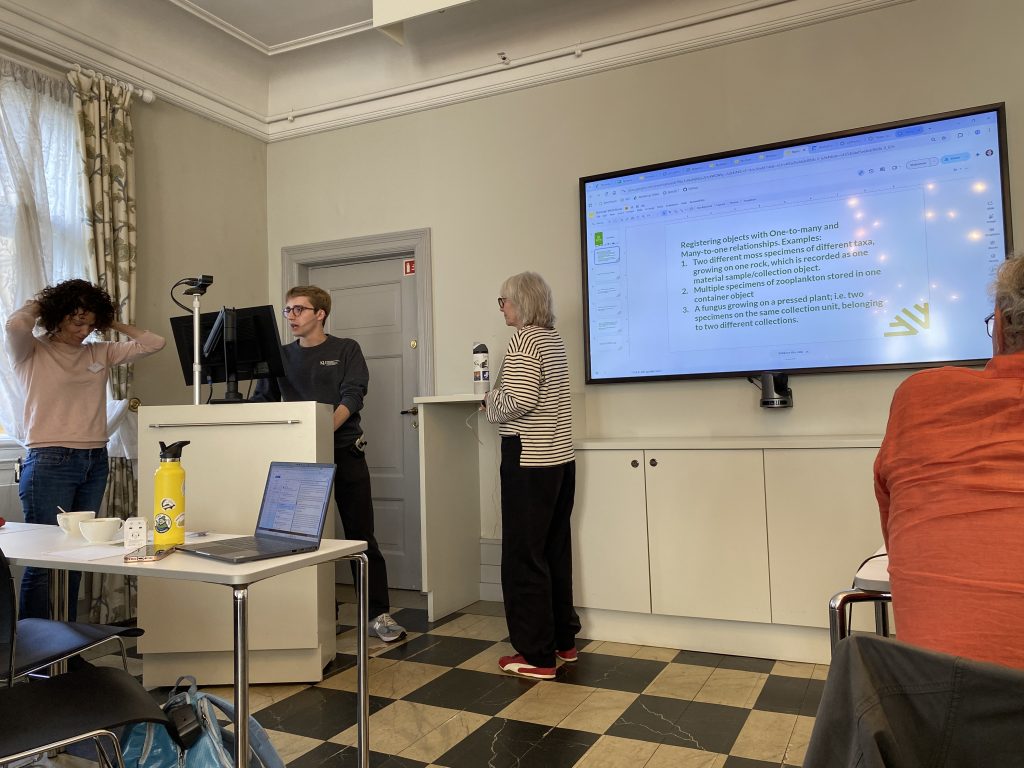
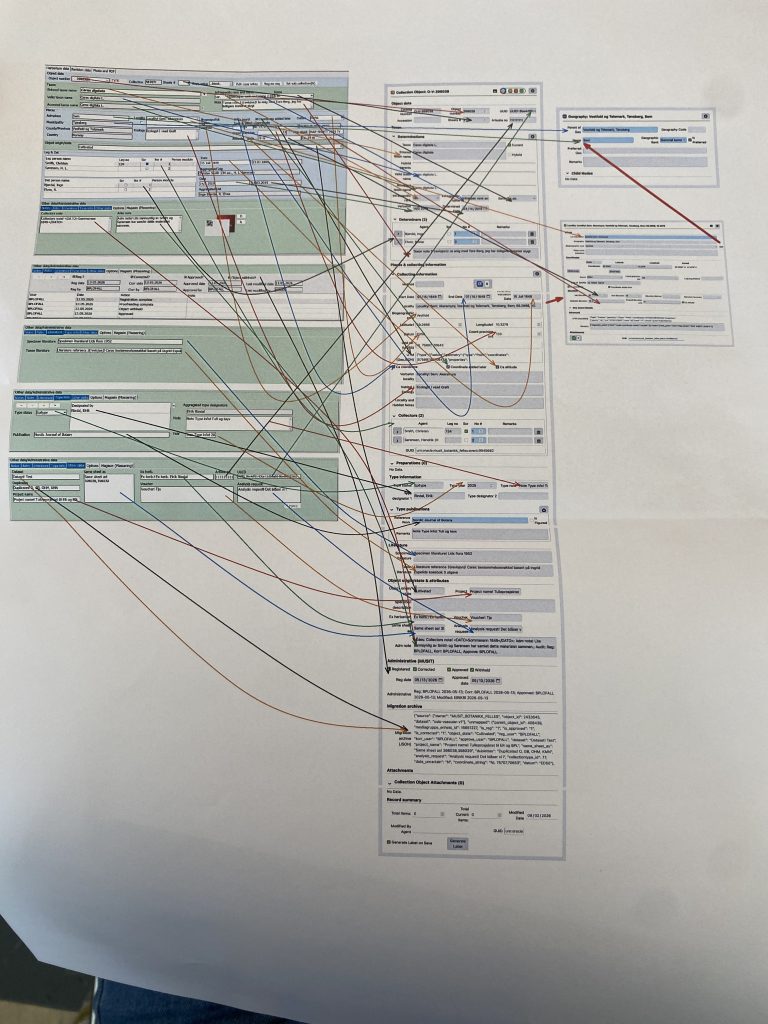
Beyond the technical training, the workshop was a valuable opportunity to meet colleagues from museums across Norway who are working with similar collections and facing many of the same challenges. The atmosphere was highly collaborative, with participants openly sharing experiences, ideas, and solutions. For many of us, the workshop provided not only a deeper understanding of Specify’s capabilities but also a clearer picture of how we can work together to improve collection management and data accessibility on a national scale.
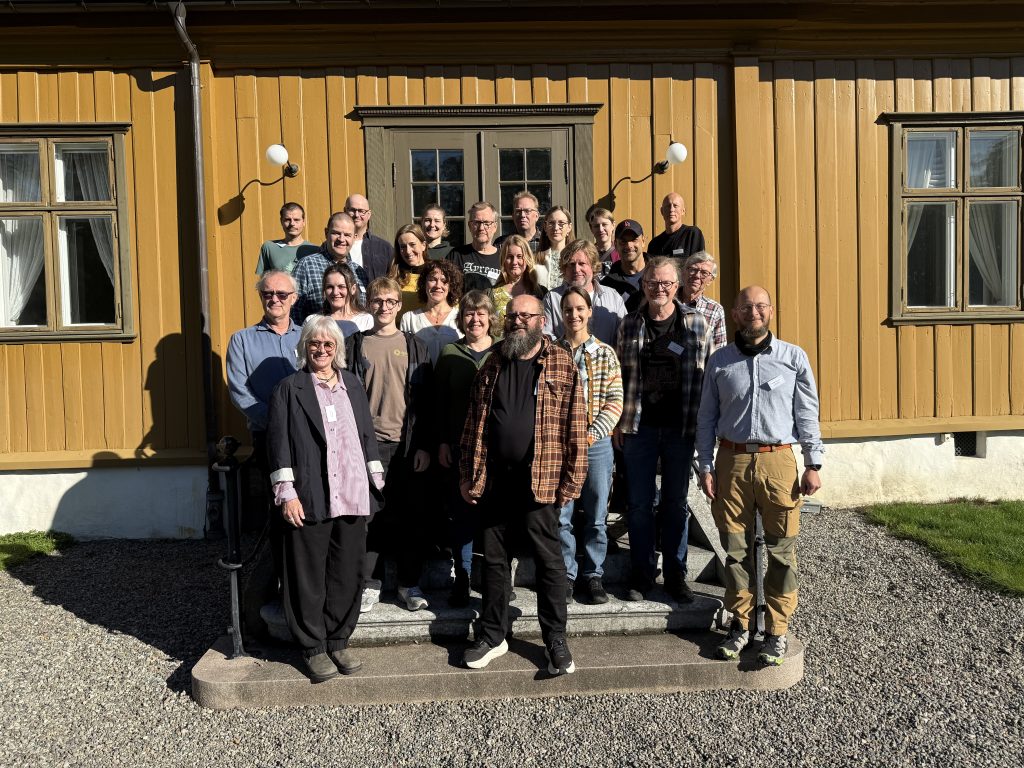
Overall, the workshop was an extremely positive experience. We learned a great deal about the new platform, gained practical skills that will help with its implementation, and strengthened connections between the institutions that will be using it. As UniMus:Natur moves forward, these collaborations will be just as important as the technology itself in ensuring that Norway’s natural history collections remain well curated, accessible, and relevant for future research.
Cessa